Theme parks are not only destinations for families and tourists. They can also become attractive venues for corporate events, team outings, employee celebrations, meetings and company gatherings.
For theme park operators, corporate events can create an additional revenue stream beyond regular ticket sales. A single corporate booking can bring a large group of visitors at once, while also generating revenue from food, private spaces, activities and other services.
Indian attractions already market their parks for corporate events. For example, Imagicaa promotes corporate meetings, team building, celebrations, rewards and launches, while Adventure Island Delhi NCR offers customised corporate day-out packages and event bookings.
The basic model is:
Corporate Booking → Group Admission + Food + Activities + Event Services + Add-ons = Higher Event Revenue
What Is a Theme Park Corporate Events Business?
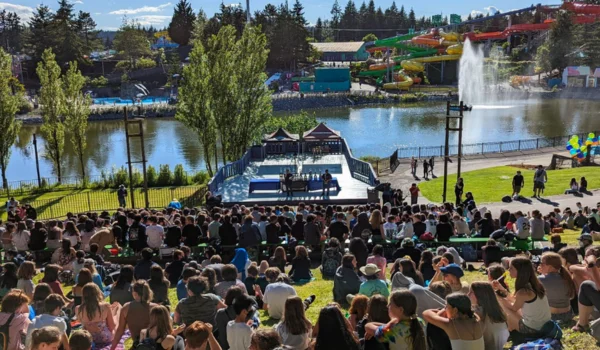
A theme park corporate events business involves selling the park as a venue and experience for companies.
Typical corporate requirements include:
- Employee outings
- Team-building activities
- Annual celebrations
- Employee appreciation events
- Product launches
- Corporate meetings
- Client entertainment
- Award functions
- Company parties
- Dealer and distributor events
Instead of selling individual tickets to employees, the park creates a group package and sells the experience to the company.
Why Corporate Events Are Valuable for Theme Parks
Corporate bookings can be attractive because they provide planned group attendance.
A company may book dozens or hundreds of employees together, often with advance planning and a fixed budget.
This can provide the park with:
- Predictable attendance
- Advance bookings
- Group ticket revenue
- Food and beverage revenue
- Private venue revenue
- Premium activity revenue
- Potential repeat bookings
Group-event operators also highlight the ability to use pre-booked events to strengthen weekday utilisation and create more predictable staffing and revenue.
- Corporate Group Admission
The simplest source of revenue is admission.
Instead of selling individual tickets, the park can create corporate group rates based on:
- Number of employees
- Day of visit
- Package selected
- Included attractions
- Food requirements
- Event duration
For example:
Corporate Group Package
100 employees × ₹1,000 = ₹1,00,000
This is only an illustrative example. Actual pricing depends on the park, date, facilities and services included.
The advantage is that the park receives one organised booking rather than relying entirely on individual walk-in visitors.
- Food and Beverage Packages
Food can become an important part of a corporate event package.
A company may prefer a complete package including:
- Welcome drinks
- Breakfast
- Lunch
- Snacks
- Tea/coffee
- Dinner
- Buffet meals
Instead of asking employees to purchase food individually, the company can pay for a pre-arranged meal package.
For the park, this creates additional revenue per corporate visitor and makes budgeting easier for the client.
The package can have different levels such as:
Standard Meal
Premium Buffet
Premium + Beverages
This allows companies to select an option according to their budget.
- Team-Building Activities
Theme parks can use their attractions to create corporate team-building experiences.
Examples include:
- Team competitions
- Adventure challenges
- Treasure hunts
- Group games
- Problem-solving activities
- Relay challenges
- Interactive attractions
- Leadership activities
The park is no longer selling only rides.
It is selling a corporate experience.
This can justify a higher package price than standard admission because additional planning and facilitation are involved.
- Private Event Spaces
Corporate customers may require a dedicated area for meetings, presentations or celebrations.
A park can monetise:
- Banquet halls
- Conference rooms
- Lawns
- Restaurants
- Themed venues
- Event halls
- Private zones
KidZania India, for example, offers corporate event facilities with multiple venue areas and different capacities, along with planning, technical, security, cleaning and medical support.
Private-space charges can therefore become an additional revenue source.
- Meetings + Theme Park Experience
A company does not necessarily have to choose between a meeting and entertainment.
A theme park can combine both.
For example:
Morning: Corporate meeting
Afternoon: Theme park activities
Evening: Dinner and entertainment
This creates a complete corporate off-site package.
It can also increase the amount of time visitors spend inside the property, creating more opportunities for food, merchandise and premium-service spending.
- Premium Corporate Packages
Not every company wants the cheapest package.
Theme parks can create premium packages that include:
- Private venue
- Dedicated event coordinator
- Premium meals
- Priority attraction access
- Exclusive activities
- Event photography
- Branded signage
- Special entertainment
This creates different pricing levels without forcing every corporate client to pay for premium services.
A simple structure could be:
Standard
Park access + basic meal
Premium
Park access + premium meal + team activity
Corporate VIP
Private venue + premium food + activities + event services
- Branding and Customisation
Corporate events often provide opportunities for branding.
Companies may want:
- Branded entrance signage
- Company logos
- Welcome boards
- Branded activity areas
- Presentation screens
- Custom merchandise
- Employee award setups
Customisation can be sold as an additional service.
It also makes the event feel more exclusive to the company.
- Corporate Events Can Fill Weekday Capacity
One of the biggest advantages of corporate events is their potential to generate demand outside the busiest periods.
Most theme parks naturally receive strong family traffic on weekends and holidays.
Corporate events can help create additional business during:
- Monday to Friday
- Non-holiday periods
- Off-peak seasons
This is particularly useful because the park may already have infrastructure and staff available during these periods.
Rather than heavily discounting public tickets, the operator can target companies with dedicated group packages.
- Corporate Events and Revenue Per Visitor
Corporate visitors can generate revenue through multiple channels.
For example, an illustrative corporate package might include:
| Revenue Component | Per Person |
| Park Admission | ₹900 |
| Food Package | ₹400 |
| Team Activity | ₹200 |
| Event Services | ₹100 |
| Total | ₹1,600 |
For 100 employees:
₹1,600 × 100 = ₹1,60,000
Again, these figures are hypothetical and are only intended to demonstrate the revenue structure.
The key point is that corporate revenue can extend beyond the admission ticket.
- Minimum Group Size
Theme parks can establish minimum booking requirements.
For example:
Minimum Corporate Booking: 30 or 50 Guests
This helps ensure that the administrative and operational effort involved in organising the event is commercially worthwhile.
Larger groups can then receive volume-based pricing.
The park can also use:
Minimum Guaranteed Revenue
instead of relying only on per-person pricing.
This protects the business if the final attendance is lower than initially expected.
- Build a Dedicated Corporate Sales Process
Corporate bookings usually require more coordination than normal ticket sales.
A professional process can include:
Inquiry → Proposal → Package Selection → Quotation → Deposit → Final Guest Count → Event Execution → Final Billing
Corporate planners may want information about:
- Pricing
- Capacity
- Available dates
- Food options
- Parking
- Private spaces
- Activities
- Payment terms
- Invoicing
- Safety and support
Making this information easy to access can improve conversion.
A structured group-sales process can also help parks follow up with leads instead of losing potential bookings.
- Turn One Corporate Booking Into Repeat Business
Corporate events can become more valuable when companies return regularly.
A company may organise:
- Annual employee day
- Quarterly team outing
- Festival celebration
- Dealer meet
- Employee appreciation event
After a successful event, the park can offer:
- Early booking for next year
- Preferred dates
- Loyalty benefits
- Custom packages
- Repeat-client pricing
The objective is to turn:
One Event → One Company Relationship → Multiple Future Bookings
- Corporate Events Can Support Other Revenue Streams
Corporate events can also introduce employees to the park.
Some employees may later return with:
- Family
- Friends
- Children
This creates potential future consumer visits.
The park can use corporate events as an opportunity to promote:
- Annual memberships
- Family tickets
- Upcoming events
- Seasonal attractions
- Resort packages
However, promotional activity should remain relevant and not interfere with the corporate experience.
Common Mistakes in Theme Park Corporate Events
Some common mistakes include:
- Offering only discounted tickets
- Not creating dedicated corporate packages
- Ignoring weekday demand
- Providing unclear pricing
- Not offering food packages
- Underestimating event coordination
- Failing to provide private spaces
- Not tracking corporate leads
- Focusing only on one-time bookings
- Offering too many complicated package options
A successful corporate-events business should make the company’s job easier from enquiry to event completion.
Key Metrics to Track
Theme parks should monitor:
- Number of corporate enquiries
- Conversion rate
- Average group size
- Average revenue per corporate visitor
- Food revenue per visitor
- Add-on sales
- Event utilisation by weekday
- Repeat corporate bookings
- Corporate customer acquisition cost
- Cancellation rate
- Corporate event profitability
These metrics show whether corporate events are genuinely contributing to the park’s bottom line.
Final Takeaway
A Theme Park Corporate Events Business can become an important revenue channel beyond normal visitor ticket sales.
The strongest model combines:
Group Admission + Food & Beverage + Team Activities + Private Venues + Premium Services + Customisation
Corporate events can also help theme parks utilise weekday capacity, generate advance bookings and build long-term relationships with companies.
The biggest opportunity is not simply to sell a company 100 tickets.
It is to sell the company a complete experience that includes entertainment, team-building, food, hospitality and professional event management.
When the event is successful, the park can turn a single corporate booking into a recurring business relationship—creating revenue not just from one event, but potentially from multiple events over several years.